
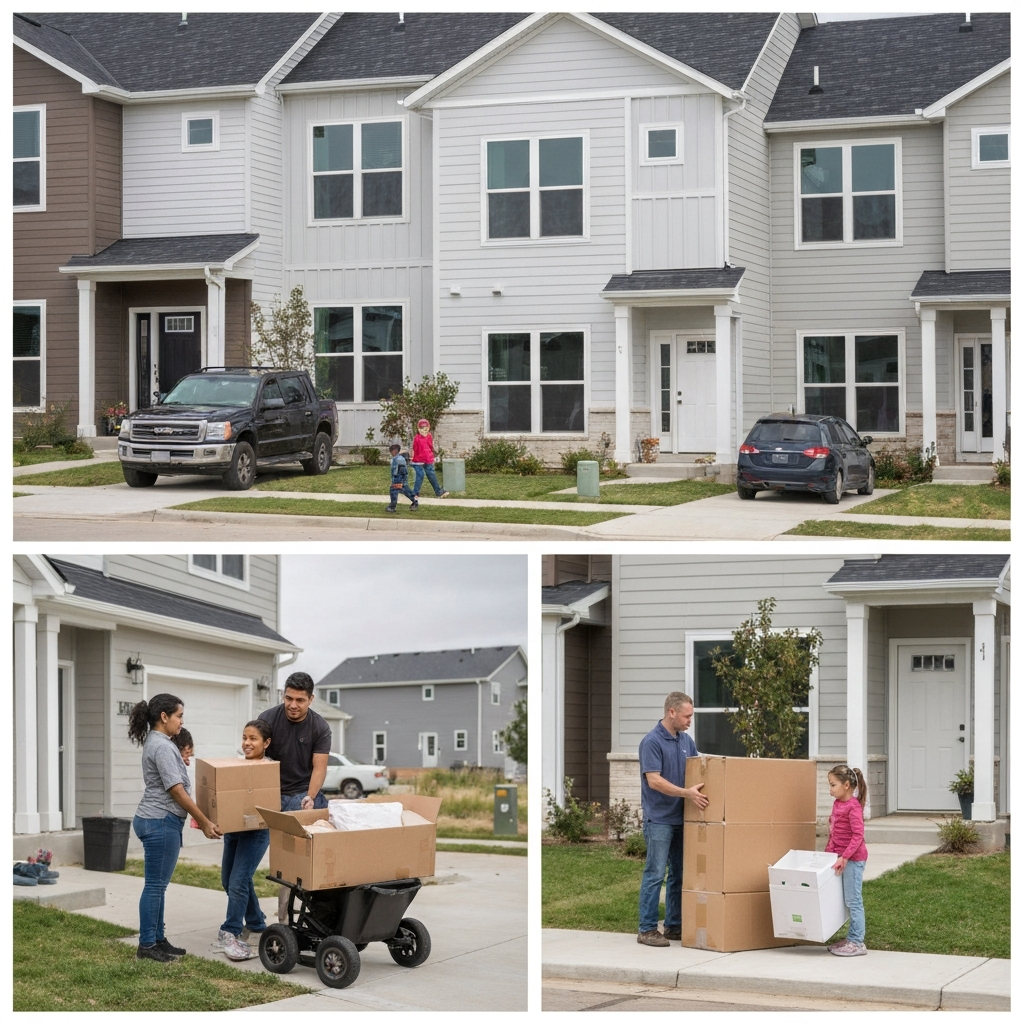
Lincoln has been actively addressing the need for affordable housing through various initiatives and partnerships. The city’s goal, announced in October 2020, aims to achieve 5,000 new, rehabilitated, or subsidized affordable housing units by 2030. As of the latest report, 3,201 units have been completed, marking 64% of the goal achieved and placing the city 14% ahead of schedule. This progress reflects a concerted effort to provide housing that is affordable for residents earning at or below 80% of the Area Median Income (AMI) for homeowners and 60% AMI for renters. [Source]
Despite these advancements, challenges persist. The Lincoln Vital Signs 2025 report highlights that while the city has flourished in many areas, some weaknesses remain. Notably, the report emphasizes that population trends will shape future needs for services and initiatives, indicating that continued attention to housing affordability is crucial. [Source]
Community organizations have also been instrumental in addressing housing issues. Collective Impact Lincoln, for instance, has engaged residents in historic neighborhoods to identify key concerns, with housing affordability emerging as a top priority. Their efforts have included grassroots campaigns and neighborhood forums aimed at finding solutions to these challenges. [Source]
Furthermore, the University of Nebraska-Lincoln (UNL) has partnered with the city to address local challenges, including housing. This collaboration has been recognized nationally for its effectiveness in university-government partnerships, focusing on research needs such as housing, community engagement, and economic development. [Source]
While significant progress has been made, the city acknowledges the need for ongoing efforts to ensure that all residents have access to safe and affordable housing. Continued collaboration between the city, community organizations, and educational institutions will be essential in addressing these challenges and achieving the set goals.